EN

A paper header card can turn a simple plastic bag into retail-ready packaging. It provides space for branding, product information, and a hanging hole without hiding the product inside a box.
But not all paper header cards have the same structure. Two common options are fold-over header cards and flat header cards. Although they serve similar purposes, their designs affect how the packaging is assembled, displayed, and printed.
Which is better? Fold-over header cards are generally better when a bag needs a printed topper that wraps around its opening and provides branding on both sides. Flat header cards are often more practical when a single printed panel can be attached to an already sealed bag or used as a simple display card. The right choice depends on the product, attachment method, and retail display requirements.
A fold-over header card is a printed paperboard card with a crease that allows it to fold over the top of a poly bag or OPP bag. The front and back panels are typically secured together using staples, adhesive, or another suitable attachment method.
The folded structure covers both sides of the bag's upper section, providing space for a logo, product name, barcode, or additional information.
Fold-over header cards are commonly used for small retail products such as hair accessories, craft supplies, stationery, and lightweight household items.
Main advantage: The card creates a finished top section with printable front and back panels. However, folding the card over a bag does not automatically create a secure seal. The closure method must be designed separately.

A flat header card is a single, unfolded piece of printed paperboard. It can be attached to the front or upper section of a product bag using staples, adhesive, or another compatible fastening method.
Flat cards can also be used as backing or display cards, depending on the packaging structure. Some designs include a punched hole for hanging products on retail hooks.
Unlike a fold-over card, a flat card does not wrap around the bag opening.
Main advantage: Its simpler structure avoids the folding operation and works well when the packaging already has a suitable closure.
| Feature | Fold-Over Header Card | Flat Header Card |
|---|---|---|
| Structure | Creased and folded over the bag top | Single unfolded panel |
| Attachment | Secured around the bag opening | Attached to the bag or product backing |
| Printing Area | Front and back panels | One or both sides of a flat panel |
| Assembly | Requires folding and fastening | No folding step required |
| Material Usage | Often needs a larger unfolded sheet for the same visible front height | May use less paperboard for a comparable front panel |
| Best Starting Point | Bag-top branding and two-sided presentation | Simple labels, backing cards, and pre-sealed bags |
Neither design is automatically stronger or more economical. Paperboard thickness, attachment points, hole placement, product weight, and production quantity all affect the finished packaging.
Fold-over header cards are often a good choice for products sold in transparent bags. The card covers the top of the package while leaving the contents visible.
This format works particularly well when the brand needs information on both sides, such as a logo on the front and product details on the back.
However, if the bag is already sealed and only needs a branded display panel, a flat header card may be sufficient.
Both designs can support hanging displays when properly engineered with a suitable hole and attachment system.
For fold-over cards, the hole position must align correctly after folding. For flat cards, the board and fastening method must support the complete package without tearing or detaching.
Always test the assembled package with the actual product weight. The presence of a hanging hole alone does not guarantee that the packaging is strong enough for retail display.
A flat header card may be easier to integrate into a packing process that already uses sealed bags. It removes the need to crease and fold each card.
A fold-over design introduces an additional folding step, but it can provide a convenient layout for front and back branding around the bag top.
The better option depends on how the packaging will be assembled, whether manually or with existing equipment.
Before ordering a custom paper header card, there are several practical details worth checking.
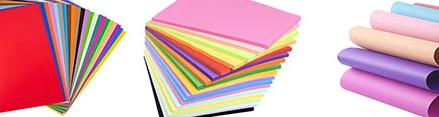
Ivory board, duplex board, art paper, and other paper materials can produce different levels of stiffness, surface appearance, and folding performance.
For fold-over cards, the material must crease cleanly without excessive cracking. Flat cards still need enough rigidity for their intended display and attachment method.
Do not select paperboard based on GSM alone. Thickness, stiffness, coating, and actual product weight also matter.
The card width should suit the bag and its seams. A fold-over design also needs an accurate crease position and enough space for artwork on both panels.
For flat cards, confirm the visible area after attachment and make sure essential information will not be covered by staples or adhesive.
In either design, keep barcodes, text, and important graphics clear of fastening points and punched holes.
A flat card may require less paperboard and fewer processing steps than a fold-over card with the same visible front panel. However, the final cost also depends on printing, die-cutting, finishing, fastening, and order quantity.
Comparing complete packaging samples is more useful than comparing card prices alone.
Before requesting a quotation, prepare the basic details of your packaging project:
Product type and packed weight
Bag width and opening dimensions
Fold-over or flat card structure
Required hanging hole and display method
Preferred paperboard material and finish
Printing artwork and required quantity
If you are unsure which design is suitable, a physical sample can help identify problems with folding, attachment, barcode placement, or hanging stability before bulk production.
Xiaolong Packaging supplies custom printed header cards and other paper-based packaging materials. You can explore its paper and packaging product range to review available material categories.
When discussing a custom design, sharing photos or a sample of your existing packaging can also help clarify the required structure.
Fold-over and flat header cards can both provide effective branding for retail packaging, but they solve slightly different needs.
Choose a fold-over header card when you want a printed topper that wraps around the bag opening and provides a coordinated front and back presentation.
Choose a flat header card when the package already has a suitable closure or only needs a simple printed panel for branding and display.
Whichever design you choose, check the material, dimensions, attachment method, and hanging performance before approving production.
Planning custom header card packaging for your products? Contact Xiaolong Packaging with your bag dimensions, product details, and artwork to discuss suitable options and request a quotation.
A fold-over header card wraps around the top of a bag, while a flat header card is an unfolded panel attached to the bag or used as a product display card.
Yes. Flat cards can include hanging holes, provided the paperboard and attachment method can support the packaged product.
Not always. Fold-over cards may use more material and require creasing, but actual costs depend on card dimensions, printing, finishing, and order quantity.
Ivory board, duplex board, and other printable paperboards may be suitable. The choice depends on the required stiffness, folding performance, print finish, and packaging weight.
Need a quote? Send us your specification — material, thickness or grammage, sheet size and quantity — and we will confirm the closest stock grade, the tolerance it ships at and the lead time. Use the contact form or email tina@xiaolongpackaging.com directly.